Germany is one of the most attractive destinations for skilled professionals worldwide, offering a strong economy, high living standards, and numerous job opportunities. To work in Germany as a non-EU citizen, you typically need a work visa or residence permit. This guide provides detailed information on the types of work visas, eligibility requirements, application procedures, and key considerations for foreign workers.
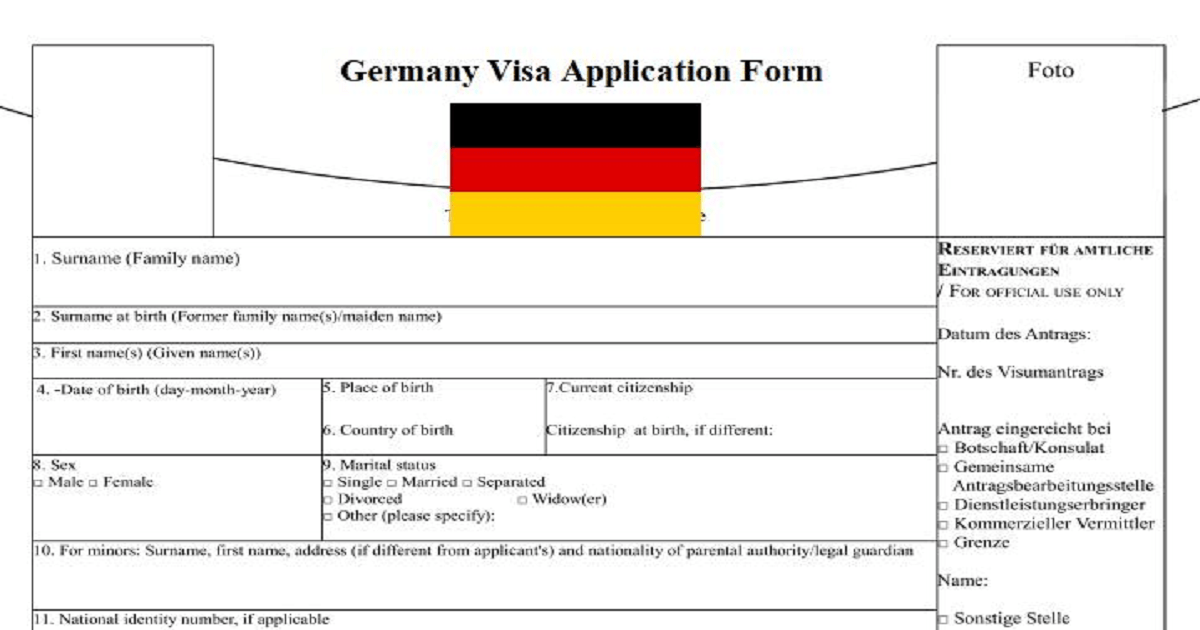
Download Application From
Types of German Work Visas
Germany offers several types of work visas depending on the applicant’s qualifications, job offer, and intended duration of stay. The main categories include:
1. EU Blue Card
The EU Blue Card is designed for highly skilled non-EU professionals with a recognized university degree and a job offer in Germany.
Key Requirements:
-
A valid job offer with a minimum annual salary of €45,300 (2025 threshold; lower for shortage occupations like IT, engineering, and healthcare).
-
A recognized university degree related to the job.
-
Approval from the Federal Employment Agency (if required).
Benefits:
-
Faster path to permanent residency (after 33 months, or 21 months with B1 German proficiency).
-
Family reunification allowed.
-
Freedom to move within the EU after 18 months.
2. Work Visa for Skilled Workers
Germany’s Skilled Immigration Act (March 2020) made it easier for qualified professionals to migrate, even without a university degree if they have vocational training.
Canada Free VISA Application Is Here Now
APPLY NOW
Eligibility:
-
Recognized professional qualification or university degree.
-
A job offer matching qualifications.
-
Salary meeting German standards.
3. IT Specialist Visa
For IT professionals without a formal degree but with significant work experience (at least 3-5 years) and a job offer with a minimum salary of €49,680 (2025).
4. Job Seeker Visa
Allows non-EU nationals to stay in Germany for up to 6 months to search for a job.
Requirements:
-
A recognized degree or vocational qualification.
-
Proof of financial means to support the stay.
-
Health insurance coverage.
5. Freelancer & Self-Employment Visa
For entrepreneurs, freelancers, and artists who wish to work independently in Germany.
Requirements:
-
Proof of demand for services (client letters, contracts).
-
Financial stability to sustain living costs.
-
Business plan (for entrepreneurs).
6. Intra-Company Transfer (ICT) Visa
For employees transferred to a German branch of their company.
Conditions:
-
Must have worked for the company for at least 6-12 months.
-
The German employer must be linked to the foreign company.
Application Process for a German Work Visa
Step 1: Secure a Job Offer
Most work visas require a confirmed job offer from a German employer. The employer may need to prove that no EU candidate was available for the position (labor market test), except for EU Blue Card and shortage occupations.
Step 2: Check Visa Requirements
-
EU Blue Card: Degree + salary threshold.
-
Skilled Worker Visa: Recognized qualifications + job offer.
-
IT Specialist Visa: Experience + salary criteria.
Step 3: Gather Required Documents
Common documents include:
-
Valid passport.
-
Job offer/employment contract.
-
Recognized degree/certificates.
-
Proof of accommodation in Germany.
-
Health insurance.
-
CV and cover letter.
-
Visa application form.
Step 4: Apply at the German Embassy/Consulate
Submit the application in your home country before traveling. Processing time: 1-3 months.
Step 5: Enter Germany & Obtain Residence Permit
After arrival, register your address and apply for a residence permit at the local Foreigners’ Office (Ausländerbehörde).
Work Visa Processing Time & Fees
-
Processing Time: 1-3 months (varies by embassy).
-
Visa Fee: Around €75-€140 (depending on the visa type).
Permanent Residency & Citizenship
-
EU Blue Card holders can apply for permanent residency after 33 months (or 21 months with B1 German).
-
Skilled workers may qualify after 4 years of employment.
-
German citizenship is possible after 6-8 years of legal residence.
Challenges & Tips for Applicants
-
Recognition of Qualifications: Some professions (e.g., doctors, engineers) require credential verification.
-
Language Requirements: While some jobs accept English, learning German (A2-B1) improves opportunities.
-
Job Market Competition: Research in-demand fields (IT, healthcare, engineering).
Conclusion
Germany’s work visa system is structured to attract global talent. Whether through the EU Blue Card, skilled worker visa, or freelancer route, qualified professionals have multiple pathways to work and settle in Germany. Proper preparation, including securing a job offer and verifying qualifications, is key to a successful application.
By understanding the requirements and procedures, foreign workers can navigate the German work visa process efficiently and embark on a rewarding career in Europe’s largest economy.
