In today’s rapidly evolving job market, the demand for skilled workers continues to grow. Employers seek individuals with specialized competencies that align with industry needs, yet many job seekers lack the necessary training to secure stable, well-paying positions. To address this gap, (SEITP) have emerged as a vital solution, equipping individuals with the technical and soft skills required for modern employment.
These programs focus on ensuring participants gain hands-on experience in high-demand fields. By collaborating with industries, governments, and educational institutions, SEITPs help bridge the divide between education and employment, fostering economic growth and reducing unemployment.
This article explores the key components, benefits, challenges, and future prospects of Skills for Employment Investment Training Programs, highlighting their role in shaping a skilled and competitive workforce.
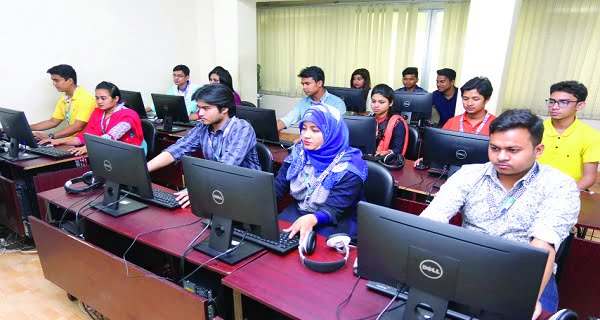
Key Components of Skills for Employment Investment Training Programs
1. Industry-Relevant Curriculum
SEITPs are designed in partnership with employers to ensure that training aligns with current labor market demands. Programs often focus on high-growth sectors such as:
-
Information Technology (IT) and Cybersecurity
-
Healthcare and Nursing
-
Advanced Manufacturing and Robotics
-
Renewable Energy and Sustainability
-
Construction and Skilled Trades
By tailoring courses to industry needs, participants gain job-specific skills that enhance employability.
2. Hands-On Training and Apprenticeships
Unlike traditional education, SEITPs emphasize practical, experiential learning. Many programs include:
-
Internships with local businesses
-
Apprenticeships combining paid work and training
-
Simulation-based learning (e.g., virtual labs for IT or healthcare training)
This approach ensures that graduates are work-ready upon completion.
3. Soft Skills Development
Technical skills alone are not enough—employers also value communication, teamwork, problem-solving, and adaptability. SEITPs integrate soft skills training to prepare participants for workplace dynamics.
4. Certification and Credentialing
Many programs offer recognized certifications (e.g., CompTIA for IT, OSHA for construction, CNA for healthcare), increasing job prospects. Some also provide college credits, allowing participants to pursue further education.
5. Career Support Services
To maximize employment outcomes, SEITPs often include:
-
Resume and interview coaching
-
Job placement assistance
-
Networking opportunities with employers
Benefits of Skills for Employment Investment Training Programs
1. Reducing Unemployment and Underemployment
SEITPs target disadvantaged groups, including:
-
Youth and recent graduates lacking work experience
-
Low-income individuals seeking upward mobility
-
Veterans transitioning to civilian jobs
-
Formerly incarcerated individuals reintegrating into society
By providing accessible, short-term training, these programs help participants secure stable employment.
2. Meeting Employer Demand
Many industries face skills shortages—SEITPs supply a pipeline of qualified workers, reducing hiring gaps in critical sectors.
3. Boosting Economic Growth
A skilled workforce attracts businesses, stimulates local economies, and increases productivity. Governments and investors see high returns on training program funding through higher employment rates and tax revenues.
4. Promoting Lifelong Learning
SEITPs encourage continuous upskilling, helping workers adapt to technological advancements (e.g., AI, automation).
Challenges and Solutions
Despite their benefits, SEITPs face obstacles:
1. Funding and Sustainability
Many programs rely on government grants or private investments. To ensure long-term success, public-private partnerships (PPPs) and employer-sponsored training can provide stable funding.
2. Accessibility Barriers
Some individuals face challenges like:
-
Transportation issues
-
Childcare needs
-
Digital literacy gaps (for online training)
Solutions include:
-
Mobile training units for rural areas
-
Flexible scheduling (evening/weekend classes)
-
Subsidized childcare and transportation support
3. Keeping Up with Industry Changes
Rapid technological advancements require continuous curriculum updates. Partnerships with tech companies and modular training approaches can help programs stay relevant.
Skills for Employment Investment training Programs
Objective(s) of the SEIP Program
-
- Improve program for skilling new entrants and up-skilling existing workforce to enhance productivity and growth of priority industry sectors;
- Impart skills training linked to gainful employment or self-employment through PKSF partners and their livelihood programs as well as through Bangladesh Bank Small and Medium Enterprise (SME) Department linked to jobs in SMEs;
- Develop a network of training providers that are endorsed by industry for providing excellence of training to meet the skills needs of employers;
- Establish and implement a strategy to address the special needs of groups specified in the NSDP and ensure their participation in SEIP programs;
- Implement a vocational trainer development program for trainers and assessors and a management leadership program for training provider management reflecting NSDP requirements;
- Strengthen capacity of BTEB in approving training providers registration process, course accreditation and monitoring quality assurance and implementation procedures of training providers;
- Support the training providers for capacity development to ensure quality training delivery mechanism;
- Establish and institutionalize a credible recognition of prior learning (RPL) system;
- Support the NSDC and key government ministries to strengthen institutional arrangements and coordination to enable the TVET system to meet policy objectives within a coherent skills development framework; and
- Support the establishment and ope rationalization of a National Human Resources Development Fund (NHRDF).
Future of Skills for Employment Investment Training Programs
As automation and AI reshape the job market, SEITPs must evolve by:
-
Expanding digital skills training (coding, data analytics, AI basics)
-
Focusing on green jobs (solar energy, electric vehicle maintenance)
-
Integrating remote learning options for wider accessibility
Governments and corporations must increase investments in workforce development to ensure economic resilience.
Conclusion
Skills for Employment Investment Training Programs play a critical role in preparing workers for today’s economy. By offering industry-aligned training, hands-on experience, and career support, they empower individuals to secure meaningful employment while addressing labor market gaps.
To maximize impact, stakeholders must address funding challenges, improve accessibility, and adapt to emerging trends. With continued investment and innovation, SEITPs can drive economic growth, reduce inequality, and build a future-ready workforce.
