Canada is a top destination for foreign workers seeking employment opportunities, high living standards, and a pathway to permanent residency. The Canada Work Permit Visa allows individuals to work in Canada temporarily, contributing to the country’s economy while gaining valuable international experience.
APPLY NOW
This guide provides detailed information on the types of work permits, eligibility requirements, application processes, and pathways to permanent residency.
Types of Canada Work Permits
Canada offers two main types of work permits:
1. Employer-Specific Work Permit
This permit allows foreign workers to work for a specific employer in Canada under predefined conditions. The employer must obtain a Labour Market Impact Assessment (LMIA) in most cases, proving that no Canadian worker is available for the job.
Key Features:
-
Job offer from a Canadian employer is required.
-
Employer must provide a copy of the LMIA (if applicable).
-
Work permit is tied to the employer, job, and location.
2. Open Work Permit
An open work permit allows foreign nationals to work for any employer in Canada, except those deemed ineligible. This type of permit does not require an LMIA or a job offer.
Who Can Apply?

-
Spouses/common-law partners of skilled workers or international students.
-
International graduates from eligible Canadian institutions (Post-Graduation Work Permit).
-
Refugees, protected persons, or applicants under humanitarian programs.
Eligibility Requirements for a Canada Work Permit
To qualify for a Canadian work permit, applicants must:
-
Have a Valid Job Offer (for employer-specific permits).
-
Prove They Will Leave Canada after the permit expires (unless applying for PR).
-
Show Proof of Financial Support to cover living expenses in Canada.
-
Have No Criminal Record (may require a police clearance certificate).
-
Be in Good Health (some applicants need a medical exam).
-
Not Work for an Ineligible Employer.
APPLY NOW
How to Apply for a Canada Work Permit
Step 1: Secure a Job Offer (If Required)
-
For an employer-specific work permit, the employer may need an LMIA from Employment and Social Development Canada (ESDC).
-
Some jobs are LMIA-exempt under international agreements (e.g., CUSMA, GATS) or special programs (e.g., Intra-Company Transfers).
Step 2: Gather Required Documents
-
Valid passport.
-
Job offer letter and LMIA copy (if applicable).
-
Proof of qualifications (diplomas, work experience certificates).
-
Police clearance certificate.
-
Medical exam results (if required).
Step 3: Submit the Application
Applicants can apply:
-
Online (through the IRCC portal).
-
On paper (by mail to a Visa Application Centre).
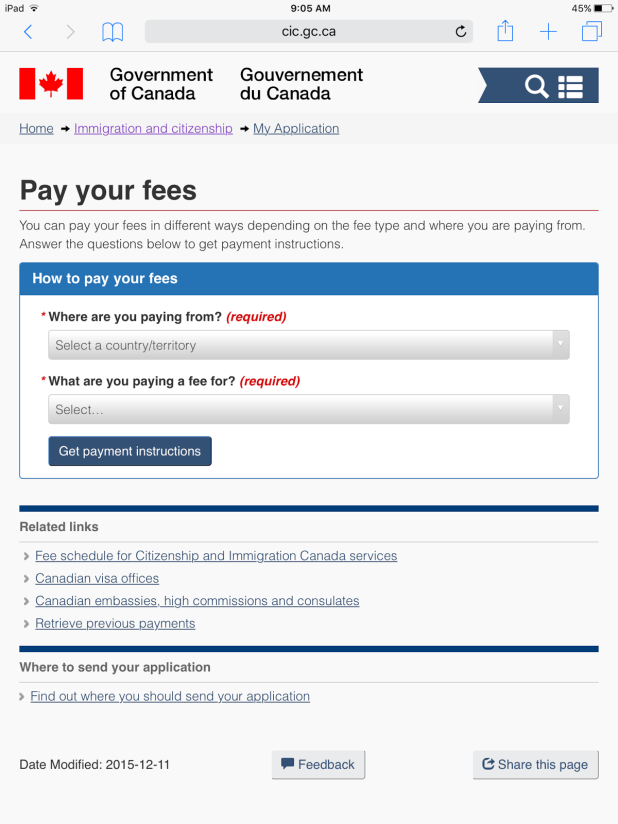
Step 4: Pay Fees & Wait for Processing
-
Work permit fee: CAD $155 (for the employer-specific or open work permit).
-
Biometrics fee: CAD $85 (if applicable).
-
Processing times vary (from a few weeks to several months).
Step 5: Enter Canada (If Approved)
-
A Port of Entry (POE) Letter of Introduction is issued if applying from outside Canada.
-
Border officials will issue the work permit upon arrival.
Canada Work Permit Visa 2024 APPLY NOW⇐
Work Permit Extensions & Changes
If you wish to extend your stay in Canada, you must apply before your current permit expires. You may also apply to change conditions, such as switching employers (if on an employer-specific permit).
Pathway to Permanent Residency (PR)
Many temporary workers transition to permanent residency through programs like:
-
Express Entry (Federal Skilled Worker Program, Canadian Experience Class).
-
Provincial Nominee Program (PNP) – Some provinces nominate workers for PR.
-
Atlantic Immigration Program (AIP) – For workers in Atlantic Canada.
-
Rural and Northern Immigration Pilot (RNIP) – For smaller communities.
Having Canadian work experience increases CRS (Comprehensive Ranking System) points in Express Entry, improving PR chances.
